
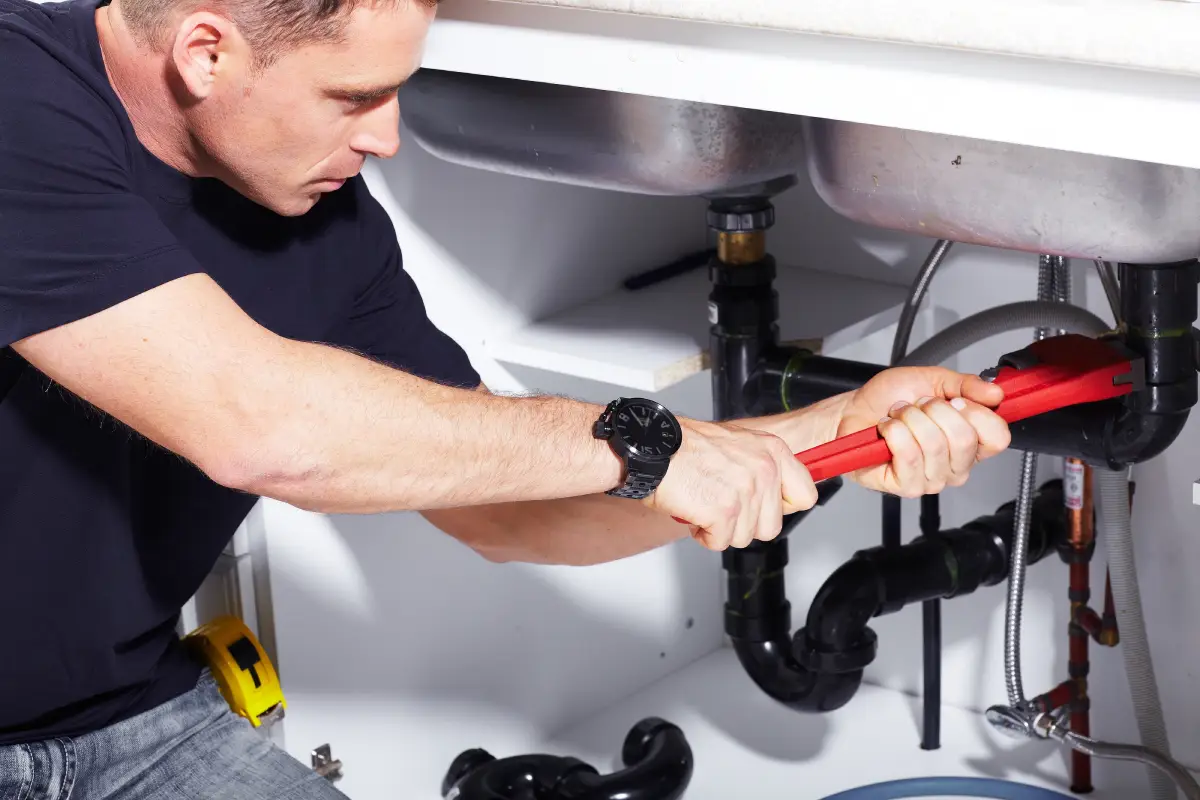
A dripping faucet gets fixed. Three months later, it drips again, somewhere else in the house. That's rarely two unrelated problems. PMI W Properties helps Manchester owners look past individual repair tickets and find the costly gaps that quietly drain a rental's profits before they turn into something bigger.
Key Takeaways
- A repair that keeps recurring on the same component usually points to an aging system rather than chance.
- Tracking repair history over time reveals which systems are closest to needing replacement.
- Planning ahead for major replacements keeps costs predictable instead of reactive.
- A repeating issue left unaddressed tends to raise both repair bills and tenant complaints.
- Comparing ongoing repair costs against replacement costs is the clearest way to decide what comes next.
When a Fix Doesn't Actually Fix Anything
Roofs, plumbing systems, HVAC units, and water heaters all wear down eventually. Once that wear sets in, repairs on that system tend to bunch together instead of happening once and going away.
Patching one section of pipe doesn't restore an entire plumbing network built at the same time. Sealing part of a roof doesn't undo years of New Hampshire winters bearing down on the rest of it. When the same type of maintenance keeps landing on your invoice, that system is signaling it's near the end.
Components that commonly show this kind of repeat pattern include:
- HVAC equipment
- Water heaters
- Plumbing lines
- Roofing materials
- Exterior siding
- Windows and doors
Once a system needs attention more than once or twice within a short window, replacing it usually becomes the more practical financial move.
Wear That Builds Long Before You See a Problem
A lot of property deterioration starts somewhere out of view, behind a wall, under the flooring, deep inside a mechanical unit, long before it becomes a visible issue. By the time a tenant reports a stain or a slow drain, the underlying problem has often been developing for months.
Nationally, the median age of owner-occupied homes is 41 years, according to Census Bureau data. A large share of the country's rental housing carries decades of accumulated wear as a result. Here's how that tends to surface by system.
Aging plumbing usually produces repeat leaks from corrosion spreading through the network, not one bad fitting. Aging roofing shows up as recurring leaks tied to worn flashing or shingles near the end of their service life. Aging HVAC systems reveal themselves through dropping efficiency, worn motors, or failing compressors. Aging windows tend to let in drafts and moisture once their seals give out.
Looking at the root cause instead of the latest symptom saves owners from paying for the same repair repeatedly.
Knowing When a Repair Stops Making Financial Sense
Small repairs make sense while a system is still structurally sound. That math flips once ongoing repairs start costing more than a full replacement would. A few signs tend to show up before that point.
If a contractor keeps coming back every few months for a similar problem, the system itself is usually at fault, not the specific part that just failed. Every repair carries its own labor, materials, and scheduling costs, and those pile up fast. Emergency calls run especially high since they often involve after-hours rates. Owners who compare providers by checking what property management services actually operate near Manchester often find this exact pattern buried in a property's repair history.
Before signing off on another short-term fix, it's worth totaling what keeping the aging system running actually costs.
A Full Repair History Tells a Story: One Ticket Can't
A single maintenance request only shows part of the picture. A complete repair history, tracked over months or years, gives owners a much clearer read on how every major system is holding up.
The Joint Center for Housing Studies of Harvard University estimated that homeowners spent roughly $503 billion in 2024 on remodeling and repair work nationwide. That figure reflects how much upkeep the country's aging housing stock actually demands. Reviewing your own records for patterns, plumbing leaks recurring in the same spot, HVAC repairs surfacing every year before a seasonal shift, or appliances failing more often than expected helps you plan ahead instead of reacting after something breaks.
Letting Repair Data Decide What Gets Upgraded First
Every rental eventually needs a major upgrade, and the harder question is usually which project comes first. A repeated repair pattern gives owners real data to answer that instead of guessing.
Owners exploring residential property management options in Manchester often discover that a big part of the value comes from someone tracking exactly this kind of pattern consistently. When weighing what to tackle first, compare ongoing repair costs against full replacement pricing, factor in how much useful life a system likely has left, and consider how much a failing system affects your residents day to day. Whichever system scores the worst across those three factors should move to the top of the list.
Getting Ahead of a Breakdown Costs Less Than Waiting for One
Waiting until a system fails completely almost always costs more in repair bills, in property damage, and in tenant frustration. This is part of why local investment property management matters so much in Manchester, since someone familiar with the area can catch these patterns sooner.
Staying proactive generally means annual checks on major systems, seasonal HVAC servicing, roof evaluations, and plumbing assessments on a set schedule. A free rental analysis can help confirm whether your current repair pattern points toward a bigger investment need.
Why Local Oversight Makes the Difference
Recurring repairs call for more than a fast response every time something breaks. They call for informed decisions built on real data and consistent tracking. Larger replacement projects tend to go smoother with dedicated project management coordinating contractors, budgets, and timelines, and owners can lean on our resources built for property owners to better understand what's expected of them.
At PMI W Properties, we track repair histories, coordinate qualified vendors, and keep owners informed at every stage. Our goal is to help you tell the difference between routine upkeep and a system that's genuinely reaching the end of its life, so your budgeting stays grounded and your property stays reliable for the people living in it.
FAQs about Recurring Repairs in Manchester, NH
Do older homes in Manchester face different repair challenges than newer construction nearby?
Often, yes. Older homes tend to carry original plumbing, wiring, or heating systems approaching the end of their expected lifespan, which naturally produces more frequent repair calls than newer builds.
Can I ask a contractor to document their findings for my own records?
Yes, and it's worth requesting every time. Written notes on what a contractor found and repaired build a clearer history you can reference later when deciding on replacement timing.
Does harsh New Hampshire winter weather speed up wear on certain systems?
It can. Freeze-thaw cycles put extra strain on plumbing, roofing, and exterior materials, often accelerating wear compared to properties in milder climates with fewer seasonal temperature swings.
Is it smarter to replace a system proactively or wait for a clear failure?
Proactive replacement usually costs less overall, since it avoids emergency service fees and potential secondary damage. Waiting for full failure often means paying more under worse circumstances.
How do I know if recurring repairs are affecting my property's overall value?
Frequent visible repairs, or an outdated system a buyer would need to replace soon, can lower perceived value. Addressing these patterns early tends to protect long-term property value.
Where Repeat Repairs Point to a Clear Decision
Two repairs on the same part of the house rarely last for long. PMI W Properties treats that kind of repetition as a planning opportunity rather than just another invoice, helping owners decide on replacement before a third call turns into an emergency one.
Reach out to request a property evaluation and get a clear answer on which systems in your rental need attention soonest.